What Are The Most Common Bathroom Plumbing Problems?
Recognizing The Early Signs Of Plumbing Trouble
Have you noticed a bathroom drain emptying more slowly, a faucet that will not stop dripping or a toilet that continues running after a flush? It can be easy to dismiss these issues, but they often provide an early warning that something needs attention.
Some bathroom plumbing issues are isolated to one fixture. Others affect shared drain lines, concealed pipes or several fixtures at once. Knowing what to watch for can help you determine whether the issue calls for a simple adjustment or professional bathroom plumbing repair from Bayou Crew Plumbing.
Slow Or Clogged Bathroom Drains
Hair, soap residue and personal care products collect inside sink, shower and bathtub drains. As the buildup grows, it restricts water flow and can lead to a complete blockage.
Common signs of bathroom drain issues include:
- Water collecting around your feet in the shower
- A sink or tub taking longer to empty
- Gurgling sounds after water drains
- Unpleasant odors coming from the drain
- A clog that returns after being cleared
A recurring clog often sits deeper in the drain line than the material visible near the opening. When more than one fixture drains slowly, the restriction affects a shared section of plumbing.
Chemical drain cleaners do not always remove the entire blockage and can be harsh on certain plumbing materials. Bayou Crew provides professional drain cleaning services to locate the restriction and determine the appropriate way to restore flow.
Toilets That Run Or Clog Repeatedly
A toilet that continues running after the tank fills typically has a worn flapper, faulty fill valve or another malfunctioning internal component. The constant flow wastes water even when the toilet seems to flush normally.
Using too much toilet paper is a common cause of occasional clogs. Frequent clogs, weak flushing or water rising unusually high in the bowl suggest a restriction within the toilet or drain line.
Pay attention to moisture around the base of the toilet as well. This commonly signals a loose connection or damaged seal. A toilet that rocks or shifts also needs attention because that movement puts the seal beneath it at risk.
Dripping Faucets And Showerheads
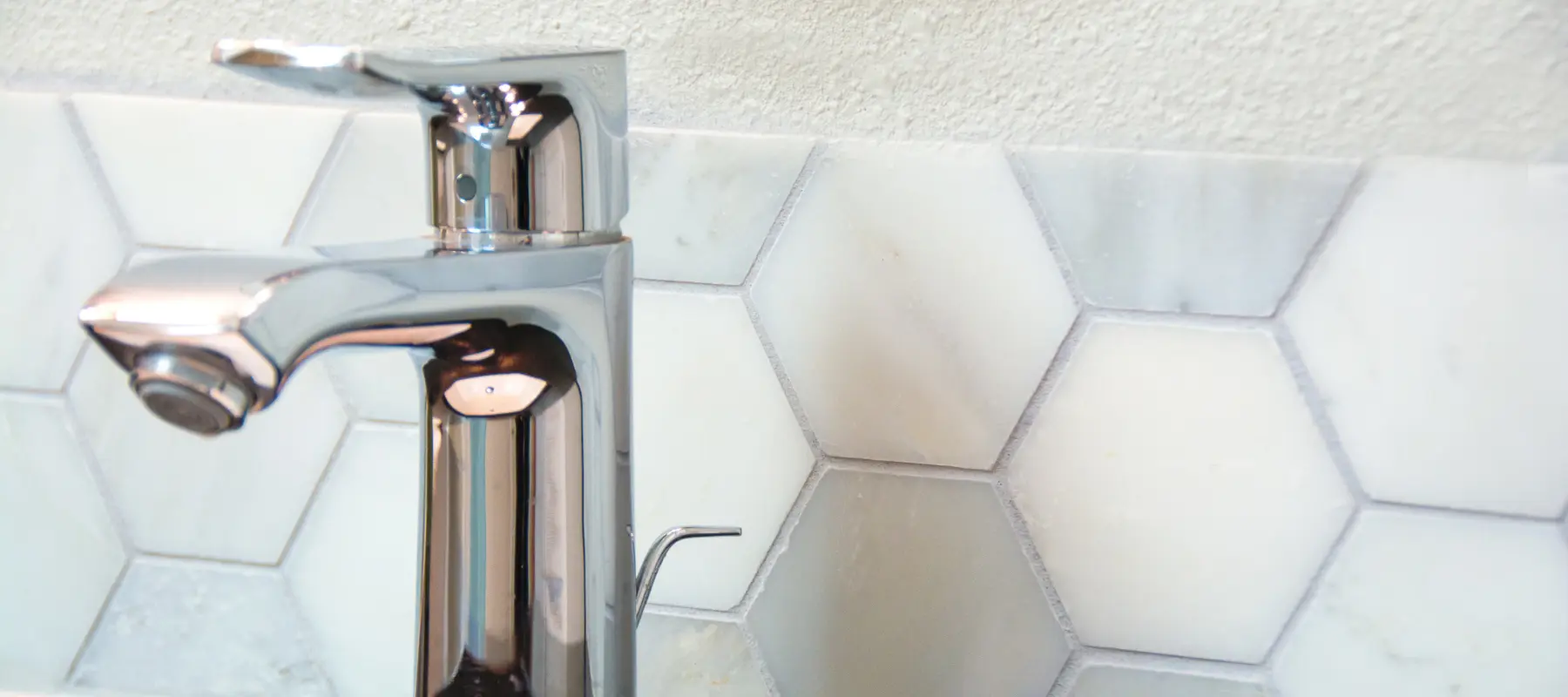
A steady drip from a faucet or showerhead is more than an annoyance. It typically points to wear within a washer, cartridge, seal or valve.
Water may also collect around faucet handles, beneath the bathroom sink or near the wall behind a fixture. Mineral deposits around the affected area suggest that a small leak has been present for some time.
Difficulty adjusting the water temperature can point to an issue with the shower valve or another internal component.
The fixture’s overall condition determines whether replacing an internal component or installing a new fixture makes more sense. A plumber can inspect the affected area to identify the source and recommend the appropriate solution.
Leaks Beneath Sinks Or Behind Walls
Not every bathroom leak is easy to see. Water from loose connections, damaged pipes or deteriorated seals may collect inside a vanity, behind a wall or beneath the floor.
Possible signs of a concealed leak include:
- Warped or damp cabinetry
- Peeling paint or bubbling drywall
- Stains on walls or ceilings
- Musty odors that do not go away
- The sound of water when fixtures are off
- An unexplained change in water use
Moisture on the ceiling below an upstairs bathroom deserves prompt attention. The source could be a supply connection, drainpipe, shower valve or seal near the tub or toilet. Bayou Crew offers leak detection and repair when the source is not immediately visible.
Low Water Pressure At Bathroom Fixtures
Low water pressure may be limited to one fixture or affect the entire bathroom. When only a sink or shower is affected, mineral buildup in the aerator or showerhead commonly restricts the flow. A worn fixture component is another possible cause.
Pressure changes throughout the bathroom or in several areas of the home suggest the issue extends beyond a single faucet. Comparing the affected fixtures helps a plumber determine whether the issue is isolated or connected to a broader plumbing concern.
When Should You Call a Plumber?
The pattern matters as much as the symptom itself. If the problem returns after a basic adjustment, begins affecting other fixtures or shows signs of a leak, it is time to call a plumber.
A thorough service call should clearly explain what is wrong, recommend an appropriate repair and provide pricing before any work begins.
Get Help With Bathroom Plumbing
Bayou Crew Plumbing uses flat-rate pricing and clear communication throughout each service call. The family-owned company has served the Greater Baton Rouge area since 2006 and brings more than 50 years of combined plumbing experience to local homes.
For recurring or unresolved issues, explore Bayou Crew’s bathroom plumbing services or request service to have the affected fixture or plumbing line inspected.
Feeling swamped? Contact the Gator!
Frequently Asked Questions About Bathroom Plumbing
Why Are Multiple Drains Slow At The Same Time?
When several fixtures drain slowly, the restriction may be in a shared drain line rather than inside one sink, tub or shower. A plumbing inspection can help identify where the blockage is located.
Can A Small Bathroom Leak Cause Damage?
Yes. A slow leak can affect cabinets, drywall, flooring and other nearby materials over time. Because some moisture remains concealed, visible staining or a persistent musty odor should not be ignored.
Why Does My Drain Smell?
Bathroom drain odors may come from buildup within the drain, a dry trap or a damaged seal. If the smell continues after water has been run through an infrequently used fixture, a plumber can check for another drainage or venting concern.
Should I Repair Or Replace A Bathroom Fixture?
The decision depends on the age and condition of the fixture, the type of repair needed and whether the issue continues returning. A plumber can assess the fixture and explain whether a repair or replacement would be the more practical option.

Feeling Swamped? Call The Gator!