How To Recognize Common Bathroom Plumbing Problems
What Are The Most Common Bathroom Plumbing Problems?
The most common bathroom plumbing problems include slow drains, running toilets, dripping faucets and low water pressure. These issues usually develop gradually due to buildup, worn parts or aging plumbing, and they often show early warning signs before they become more disruptive.
What These Issues Actually Mean In Your Home
Most bathroom plumbing issues don’t appear suddenly. They tend to build over time, starting with small changes in how fixtures behave.
A drain that slows down slightly, a toilet that doesn’t flush quite as it used to, or a faucet that starts dripping occasionally, these are often early indicators that something inside the system is wearing down or becoming restricted.
In many Baton Rouge homes, especially older ones, these changes are tied to the normal aging of pipes and fixtures combined with everyday use. Recognizing the pattern early helps you understand whether you’re dealing with a minor inconvenience or something that may need closer attention.
How To Tell What Kind Of Plumbing Issue You’re Dealing With
When A Drain Is Slowing Down vs. Fully Clogged
If water drains slowly every time you use the sink or tub, that usually points to buildup inside the pipe rather than a sudden blockage. Hair, soap residue and debris gradually collect along the pipe walls, narrowing the pathway.
A complete clog, on the other hand, tends to happen when that buildup reaches a tipping point or when something larger gets caught in the line.
What A Running Toilet Is Trying To Tell You
A toilet that continues running after you flush often signals that internal components are no longer sealing or resetting properly. This doesn’t usually happen all at once—it tends to start intermittently before becoming consistent.
If you find yourself adjusting the handle or waiting longer between flushes, it’s often a sign that something inside the tank is wearing out.
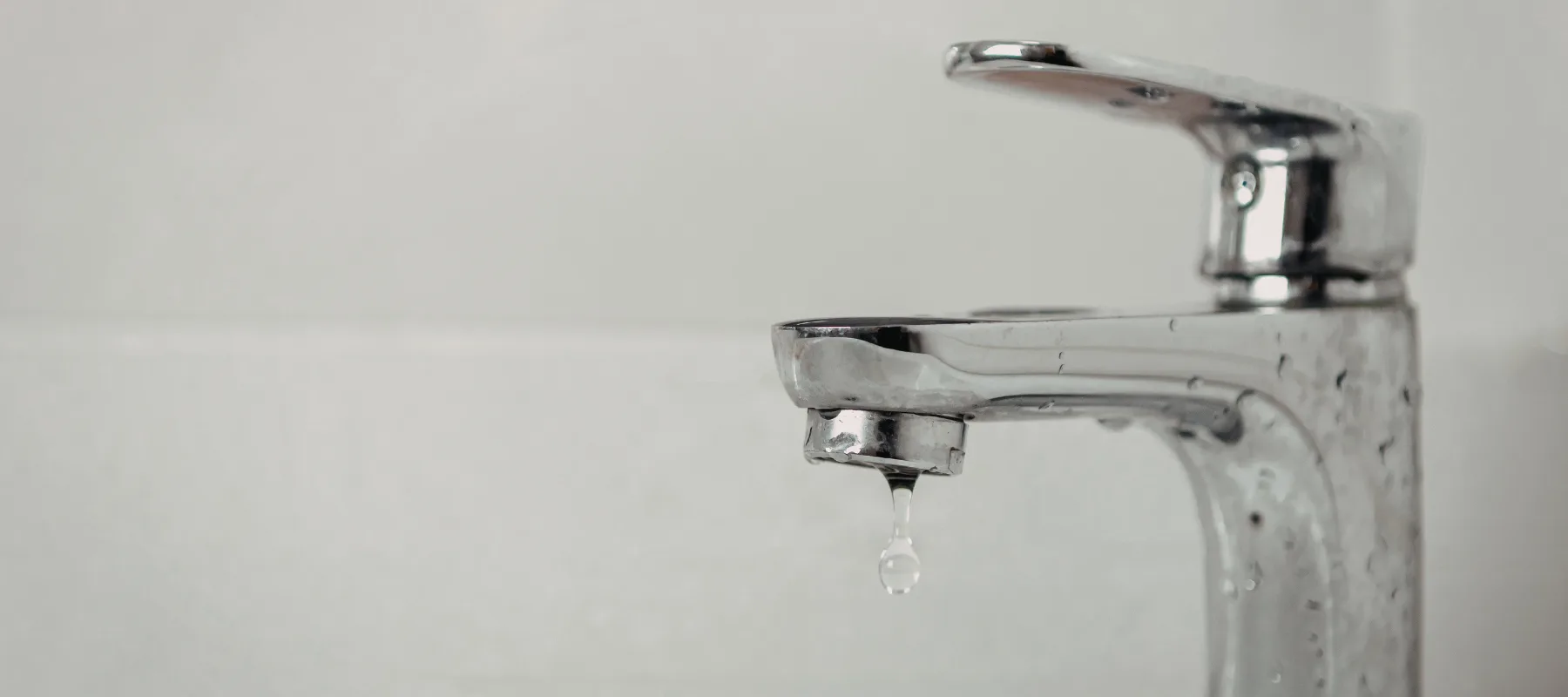
Why Faucet Drips Rarely Stay Minor
A faucet that drips occasionally may not seem urgent, but it typically means internal parts are beginning to break down. Over time, that small drip can become more consistent as those components continue to wear.
Even when the leak appears minor, it’s usually unlikely to correct itself.
What Low Water Pressure Can Indicate
Low pressure in a sink or shower often points to restricted flow. This can be caused by mineral buildup, partial blockages or aging supply lines.
If the pressure change is gradual, it’s more likely related to buildup. If it happens suddenly, it may indicate a more localized issue that needs a closer look.
Why These Issues Tend To Repeat
Bathroom plumbing issues often come back when only the surface symptom is addressed.
For example, clearing a clog without removing the underlying buildup may restore flow temporarily, but the restriction remains. The same pattern applies to fixtures—if worn components aren’t replaced, the issue tends to return.
That’s why recurring signs usually point to something deeper within the system rather than a one-time issue.
When A Bathroom Plumbing Issue Needs Closer Attention
Not every issue needs immediate action, but certain patterns suggest it’s worth having the system evaluated more thoroughly.
- The same drain slows down repeatedly
- A toilet issue becomes more frequent over time
- Water flow changes without a clear reason
- A small leak becomes more consistent
These patterns often indicate that the issue is progressing rather than staying contained.
While these signs help identify what’s happening, resolving the underlying cause often requires a closer look at the system behind the fixtures.
If you want to understand how these types of issues are addressed, you can learn more here:
Frequently Asked Questions
What Is The First Sign Of A Bathroom Plumbing Issue?
The first sign is usually a small change in performance, such as slower drainage, a minor drip or a toilet that doesn’t flush as efficiently as it used to.
Do Bathroom Plumbing Issues Get Worse Over Time?
Yes, most issues develop gradually and tend to worsen if the underlying cause isn’t addressed.
Why Do Plumbing Issues Keep Coming Back?
Recurring issues usually mean the root cause, such as buildup or worn components, hasn’t been fully resolved.
Is It Normal For Older Homes To Have More Plumbing Issues?
Yes, older homes often have aging pipes and fixtures that are more prone to wear, buildup and reduced performance over time.
Noticing Changes In Your Bathroom Plumbing?
If your fixtures aren’t working the way they used to, it may be worth taking a closer look. Bayou Crew Plumbing serves homeowners across the Greater Baton Rouge area with clear communication and clear pricing, so you can understand what’s going on and what your options are.

Feeling Swamped? Call The Gator!